
Polymarket로 돈을 벌 수 있나요? 현실적인 입문 가이드
Polymarket에서 돈을 버는 문제를 현실적으로 살펴봅니다. 엣지, 유동성, 수수료, 스프레드, 정산 리스크, 지갑 리서치, 초보자가 흔히 하는 실수를 다룹니다.
수수료, 스프레드, 타이밍, 정산 리스크를 감안한 뒤에도 거래가 시장을 앞선다면 Polymarket에서 돈을 벌 수 있습니다. 대부분의 초보자는 시장이 경쟁적이라고 가정해야 합니다. 의미 있는 자본을 투입하기 전에 명확한 규칙, 유동성이 풍부한 시장, 작은 포지션 규모, 지갑 리서치에 집중하세요.
- 수익은 시장보다 더 나은 확률, 타이밍, 리스크 관리에서 나옵니다.
- 스프레드, 부족한 유동성, 불분명한 정산 규칙은 겉으로 보이는 엣지를 지워버릴 수 있습니다.
- 상위 지갑을 추적하면 리서치에 도움이 되지만, 무작정 따라 하면 손실을 볼 수 있습니다.
수익은 어디에서 나오는가
수익이 나는 Polymarket 거래는 가격이 최종 결과 확률에 비해 잘못 매겨져 있을 때 시작됩니다. 예 또는 아니오가 싸 보인다는 느낌이 아니라, 시장이 해당 이벤트의 가격을 잘못 매긴 이유가 있어야 합니다.
엣지는 더 빠른 리서치, 더 나은 규칙 해석, 더 나은 포지션 크기 조절, 또는 틈새 시장에 대한 이해에서 나올 수 있습니다. 그리고 가격이 움직이면 사라질 수 있습니다.
엣지를 깎아내리는 비용
수수료, 스프레드, 슬리피지, 거래소 출금 비용, 카드 발급사 비용은 거래의 기대값을 낮출 수 있습니다. 실제 진입 가격과 청산 가격을 반영하기 전에는 어떤 시장이든 수익성 있어 보일 수 있습니다.
거래 티켓과 주문서를 확인하세요. 스프레드가 넓다면 표면에 드러난 확률이 시사하는 것보다 더 큰 엣지가 필요할 수 있습니다.
초보자를 위한 프로세스
유동성이 풍부하고 정산 규칙이 명확한 시장에서 시작하세요. 가격이 왜 잘못되었다고 생각하는지, 어떤 상황에서 청산할 것인지, 시장이 반대로 정산될 경우 얼마를 잃을 수 있는지 적어두세요.
그다음 Predicts.guru로 이벤트 활동, 상위 트레이더, 같은 시장을 거래한 지갑을 확인하세요. 그 리서치는 판단을 외부에 맡기기 위한 것이 아니라 자신의 논리를 검증하기 위해 사용하세요.
흔한 실수
초보자는 가격이 낮은 대박 베팅을 쫓거나, 스프레드를 무시하거나, 고래를 뒤늦게 따라가거나, 정산 문구가 모호한 시장을 거래하는 경우가 많습니다. 이런 실수는 그럴듯하게 들리는 논리를 나쁜 포지션으로 바꿔놓을 수 있습니다. 시장 규칙, 유동성, 정산, 청산 방식을 익히는 동안에는 더 작은 포지션을 사용하세요.
진짜 엣지는 더 나은 원문 독해, 더 빠른 뉴스 해석, 더 강한 카테고리 지식, 더 나은 유동성 규율, 또는 더 나은 포지션 크기 조절에서 나올 수 있습니다. 시장이 틀렸다는 느낌만으로는 부족합니다. 다른 트레이더들이 아직 제대로 반영하지 못한 이유가 있어야 합니다.
배우는 동안에는 작은 포지션을 사용하세요. 첫 목표는 한 번의 거래가 계좌를 좌우하지 않는 상태에서 시장 메커니즘, 정산, 유동성, 청산을 이해하는 것입니다. 포지션이 작으면 시장이 반대로 움직이거나 유동성이 말랐을 때 매도하기도 더 쉽습니다.
거래는 지불하는 가격이 비용을 감안한 실제 확률보다 유리할 때에만 장기적으로 수익을 낼 수 있습니다. 시장은 이미 다른 트레이더들의 견해를 집계하고 있기 때문에 이는 보이는 것보다 어렵습니다.
본인이 믿는 확률, 시장 가격, 그리고 그 격차의 이유를 적어두세요. 그다음 스프레드, 수수료, 예상 청산 비용을 차감하세요.
상위 지갑은 더 좋은 진입가, 더 큰 자금, 헤지 수단, 그리고 최대 손실폭에 대한 더 높은 감수력을 갖고 있을 수 있습니다. 눈에 보이는 그들의 최신 거래를 따라 하면 더 늦게, 더 나쁜 가격에 들어갈 수 있습니다. 지갑 데이터는 시그널 서비스가 아니라, 수익을 내는 트레이더가 어떻게 행동하는지 배우는 데 사용하세요.
Polymarket에서 돈을 벌 수 있는 것은 비용을 감안한 뒤에도 본인의 가격, 포지션 크기, 청산이 시장을 앞설 때뿐입니다. 다른 트레이더들도 뉴스, 데이터, 규칙을 읽기 때문에 이는 높은 기준입니다.
공식 문서는 이 과제를 기계적인 형태로 설명합니다. 주문서를 통해 결과 토큰을 매수하고 매도하며, 즉시 체결을 위해 매도 호가를 지불하거나 매수 호가를 받고, 끝까지 보유하면 정산을 기다립니다.
초보자에게 올바른 목표는 프로세스의 품질입니다. 좋은 프로세스는 수익으로 이어질 수 있지만, 초기 수익은 운에서 올 수도 있습니다.
모든 거래마다 본인이 추정한 확률, 시장 가격, 추정의 근거가 된 출처, 그리고 무엇이 본인이 틀렸음을 증명할지를 적으세요. 청산이나 정산 후에 그 기록을 다시 검토하세요.
이렇게 하면 자신의 실력에 대한 증거가 쌓입니다. 일지가 없으면 수익은 통찰로, 손실은 불운으로 기억하게 될 수 있습니다.
스프레드, 슬리피지, 활성화된 경우의 테이커 수수료, 자금 조달 제공업체 비용은 작은 엣지를 엣지 없음으로 바꿔놓을 수 있습니다. 기대값을 계산하기 전에 비용을 확인하세요. 이론상 2센트의 엣지가 있는 거래도 넓은 스프레드를 넘어 진입하고 유동성이 부족한 상태에서 청산하면 약해질 수 있습니다.
초보자는 늦게 진입하거나, 모호한 시장을 거래하거나, 더 나쁜 가격에 지갑을 따라 하거나, 정산 문구를 무시하거나, 하나의 견해에 너무 크게 베팅해서 손실을 보는 경우가 많습니다. 각 실수에는 예방 단계가 있습니다. 규칙을 읽고, 유동성을 확인하고, 진입가를 비교하고, 논리를 적고, 포지션 규모에 상한을 두는 것입니다.
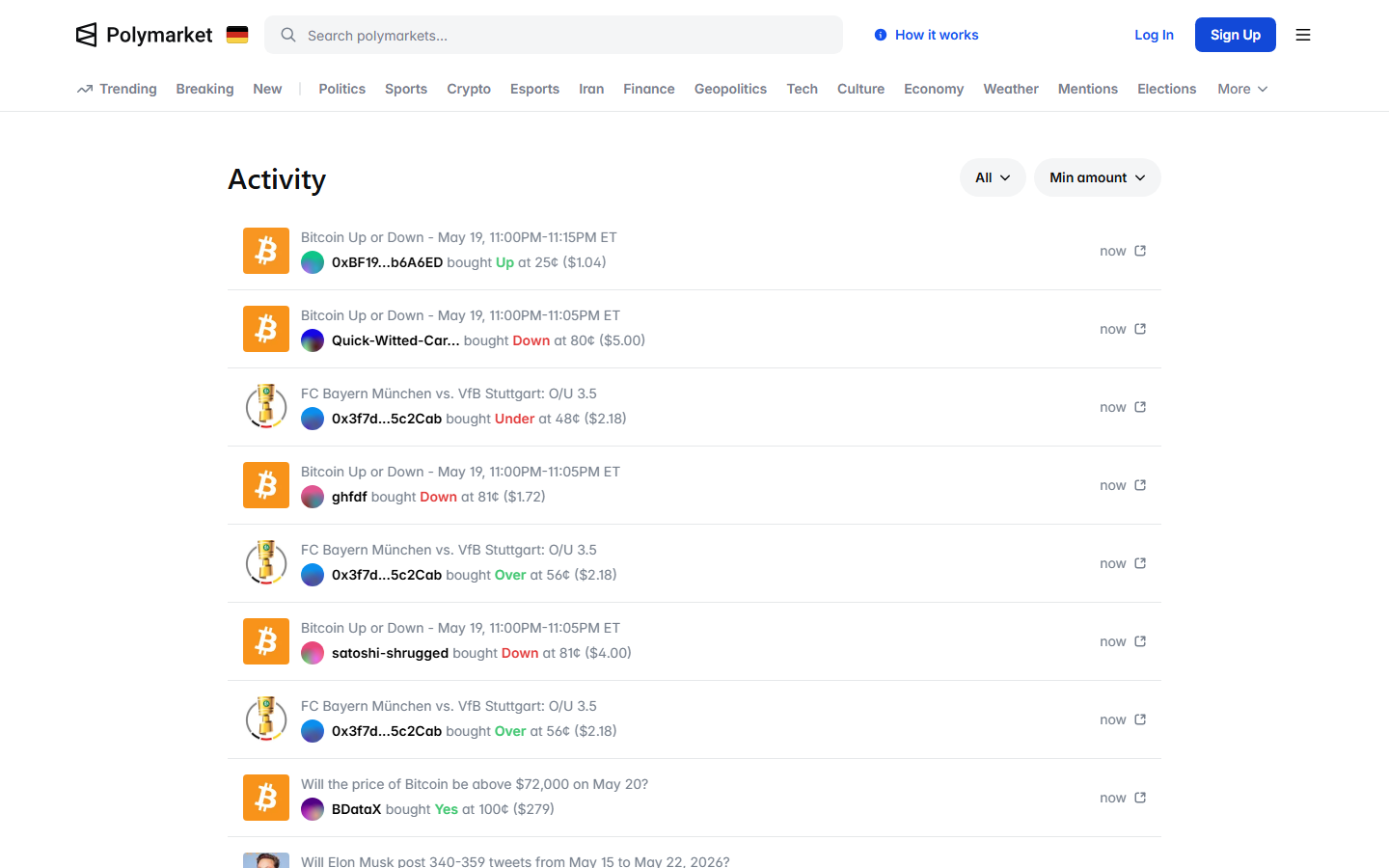
리더보드, 지갑 페이지, 활동 피드는 유용한 패턴을 보여줄 수 있습니다. 하지만 본인의 진입 가격이 좋은지, 시장 규칙이 본인의 논리와 맞는지는 알려주지 못합니다.
도구는 더 나은 질문을 하기 위해 사용하세요. 최종 거래 결정은 본인의 가격, 리스크 한도, 청산 계획에 묶어두세요.
매월 말에 거래를 카테고리, 논리 유형, 진입 품질, 청산 규율, 규칙 명확성으로 분류하세요. 포지션을 늘리기 전에 반복되는 실수를 찾아보세요.
Polymarket에서 현실적인 수익 계획은 천천히 개선됩니다. 계좌는 포지션이 커지기 전에 더 나은 의사결정을 보여주어야 합니다.
간단한 건너뛰기 규칙을 추가하세요. 규칙이 불분명하거나, 스프레드가 넓거나, 본인의 논리가 뒤늦은 지갑 진입을 따라 하는 데 의존한다면 그 거래는 넘기세요.
이 가이드는 리서치 과정과 리스크를 다룹니다. 금융, 세무, 또는 특정 관할권에 대한 조언이 아닙니다.
리퍼럴 약관, 입금 방법, 수수료, 이용 가능 여부, 검증, 정산 세부 사항을 근거로 행동하기 전에 이 Polymarket 공식 자료를 확인하세요.
최종 확인: 2026년 5월 20일
지갑 순위를 리서치의 출발점으로 활용하세요.
거래하기 전에 Polymarket에서 현재 플랫폼 정보를 직접 확인하세요.
이 가이드에서 참조한 도구와 관련 읽을거리.
인접한 Polymarket 리서치 주제를 이어서 살펴보세요.
일부 시장의 테이커 수수료, 수수료 없는 카테고리, 입금·출금 관련 사항, 스프레드, 유동성 비용을 포함해 Polymarket 수수료를 이해해 보세요.
Polymarket 상위 트레이더를 찾고 PnL, 거래량, ROI, 승률로 지갑을 비교하며 스마트 머니를 따라 할 때의 리스크를 이해하세요.
Predicts.guru로 Polymarket 고래, 대형 지갑, 스마트 머니 활동, 포지션 규모, 시장 변동, 지갑 이력을 추적하세요.