
뉴스 베팅: 예측 시장은 헤드라인을 어떻게 확률로 바꾸는가
선거, 금리, 법원 판결, 기업 공시, 속보 헤드라인이 예측 시장에서 어떻게 거래 가능한 확률로 바뀌는지 알아보세요.
뉴스 베팅이란 선거, 금리 결정, 법원 판결, 기업 발표, 속보성 정치 상황 같은 현실 이벤트에 연동된 예측 시장을 활용하는 것을 뜻합니다. Polymarket 가격은 대략 내재 확률로 환산할 수 있지만, 실제로 유용한 해석은 질문 문구, 유동성, 스프레드, 출처 품질, 마감 시한, 정산 규칙에 따라 달라집니다.
- 헤드라인이 아니라 정확한 시장 질문부터 확인하세요.
- 소문에 따른 가격 움직임을 믿기 전에 공식 출처를 검증하세요.
- 유동성, 스프레드, 최근 거래량, 마감 시한, 정산 규칙을 확인하세요.
- 시장 가격은 결론이나 스포츠북식 픽이 아니라 시그널로 활용하세요.
뉴스 베팅이란 무엇인가요?
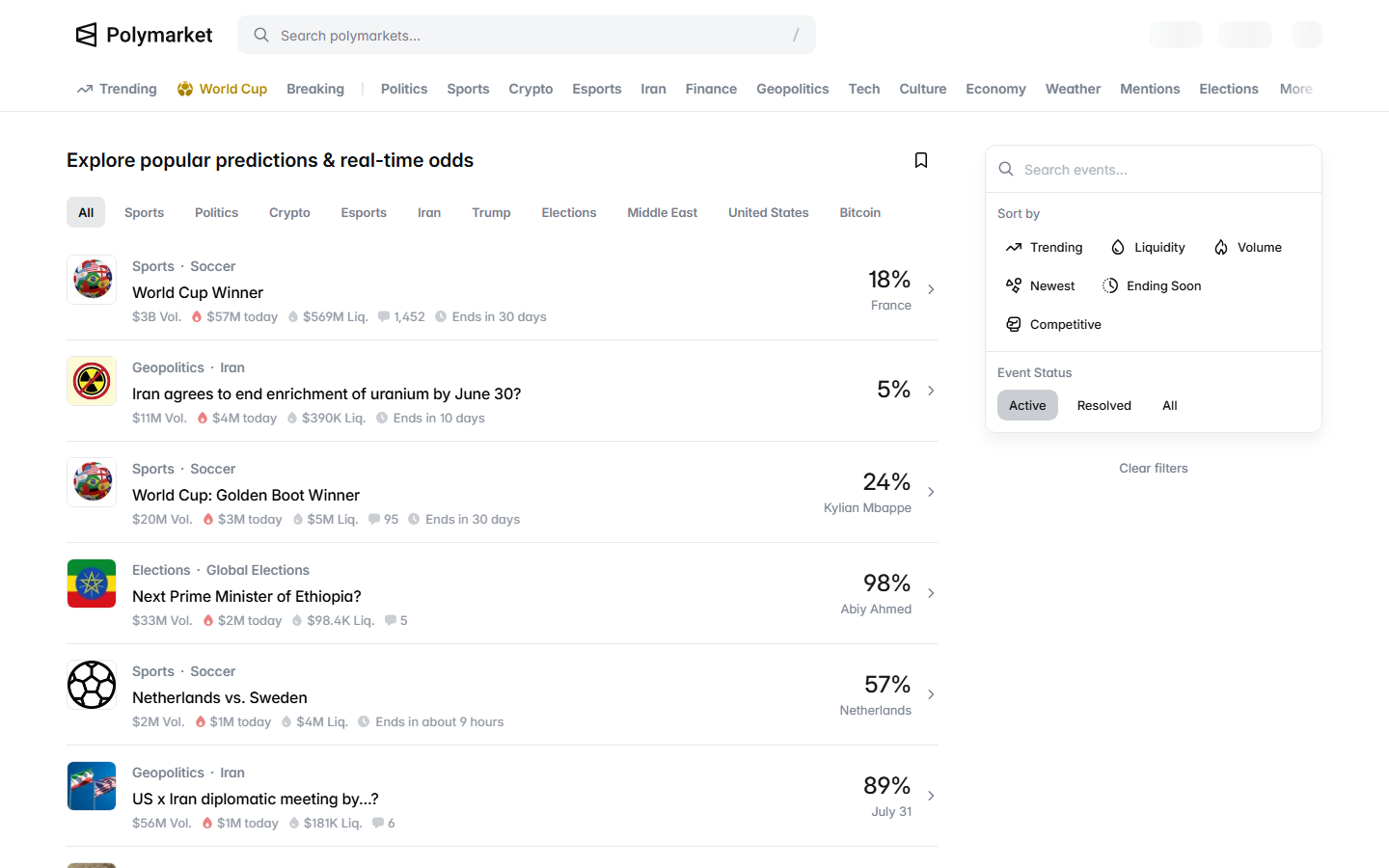
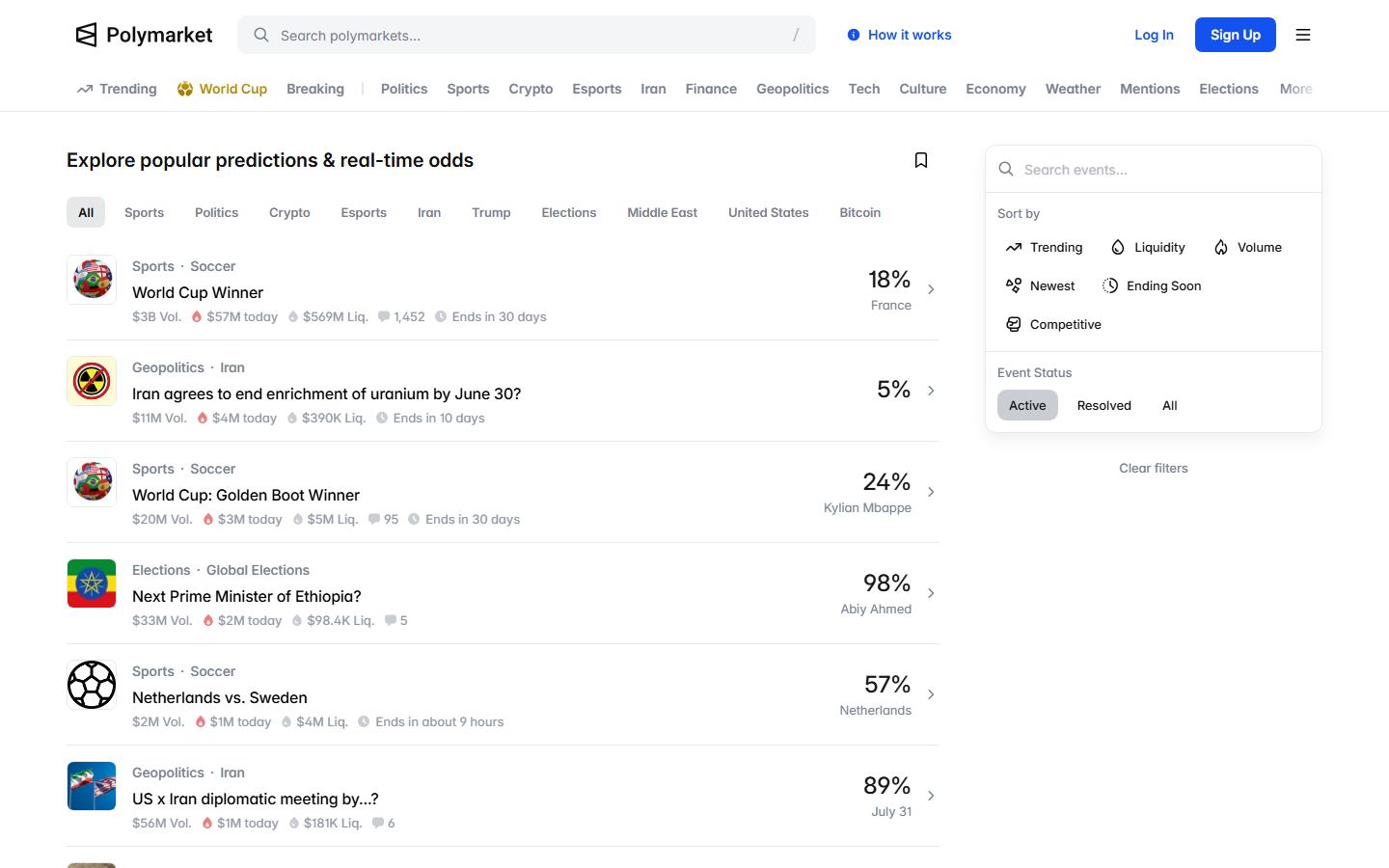
뉴스 베팅이란 선거, 금리 결정, 법원 판결, 경제 지표, 기업 발표, 속보성 정치 상황 같은 현실 이벤트에 연동된 예측 시장을 활용하는 것을 뜻합니다. 뉴스 기반 예측 시장에서 가격은 대략 내재 확률로 환산되는 경우가 많습니다. 64센트 근처에서 거래되는 시장은 수수료, 매수-매도 스프레드, 시장 잔량 깊이를 고려하기 전 기준으로 약 64% 확률을 시사합니다.
중요한 구분은 헤드라인과 시장 규칙이 같지 않다는 점입니다. 헤드라인은 어떤 일이 일어났다고 말할 수 있지만, 시장은 정산되기 전에 공식 확인, 인증, 공표, 또는 규칙에 명시된 출처를 요구할 수 있습니다.
이는 예측 시장 분석이며 스포츠북식 베팅 조언이 아닙니다. 시장 가격은 결론이 아니라 조사를 시작하게 하는 시그널로 활용하세요.
- 정확한 시장 질문을 읽으세요.
- 유동성, 스프레드, 최근 거래량을 확인하세요.
- 공식 확인과 보도·소문을 구분하세요.
- 마감 시한과 정산 규칙을 확인하세요.
- 규칙에 명시된 출처가 갱신되었는지 확인하세요.
뉴스 시장이 계약 읽기 문제인 이유
뉴스 베팅은 헤드라인에 빠르게 반응하는 일처럼 들립니다. 하지만 실제로 진지한 뉴스 시장 분석은 이벤트 계약을 규율 있게 읽는 작업입니다. 뉴스는 불확실성을 만들고, 예측 시장은 그 불확실성을 거래 가능한 예/아니오 가격으로 바꿉니다.
이 가격은 수많은 관점을 하나의 숫자로 압축하기 때문에 유용할 수 있습니다. 어떤 시장이 64센트 근처에서 거래된다면, 단순하게 해석하면 트레이더들이 해당 이벤트를 약 64%로 가격에 반영하고 있다는 뜻입니다. 그러나 그 숫자는 얕은 유동성, 넓은 매수-매도 스프레드, 오래된 최종 거래, 소문에 따른 갑작스러운 매수, 혼란스러운 문구, 또는 헤드라인과 맞지 않는 정산 규칙 때문에 왜곡될 수 있습니다.
예측 시장은 특정 이벤트가 특정 마감 시한까지 특정 조건을 충족하는지를 묻습니다. 해당 시장은 정산되기 전에 공식 확인, 인증된 결과, 공표된 서류, 또는 규칙에 명시된 출처를 요구할 수 있습니다.
| 시장 세부 항목 | 왜 중요한가 |
|---|---|
| 시장 질문 | 실제로 무엇을 예측하는지 규정 |
| 현재 가격 | 대략적인 내재 확률을 보여줌 |
| 매수-매도 스프레드 | 매수 가격과 매도 가격의 격차를 보여줌 |
| 유동성 | 유의미한 규모가 거래될 수 있는지 보여줌 |
| 최근 거래량 | 시장이 활발한지 정체됐는지 보여줌 |
| 출처 품질 | 움직임이 공식 사실, 보도, 소문에 근거하는지 보여줌 |
| 마감 시한 | 기간 범위를 규정 |
| 정산 출처 | 무엇이 최종 답으로 인정되는지 결정 |
시장 문구가 분석을 결정합니다
“후보 X가 선거에서 승리할까요?”는 “후보 X가 특정 날짜까지 승자로 인증될까요?”와 같지 않습니다. 곧 나올 것으로 예상되는 법원 결정은 공식 사건 기록에 게시된 의견과 같지 않습니다. 협상 중인 기업은 월말 전 요건을 충족하는 발표와 같지 않습니다.
차트를 보기 전에 질문과 규칙 전문을 읽으세요. 발표, 승리, 확인, 발생, 승인, 시행, 완료, 공표 같은 단어를 찾아보세요. 작은 문구 차이가 전체 해석을 바꿀 수 있습니다.
어떤 유형의 뉴스가 예측 시장을 움직이나요?
예정된 이벤트는 발표 시점과 공식 출처가 알려져 있어 검증이 더 쉽습니다. 속보는 더 빠르게 움직이고 출처 리스크가 더 큽니다. 소문은 확인 전에 가격을 움직였다가 더 나은 정보가 나오면 되돌아갈 수 있습니다.
| 뉴스 유형 | 검증할 출처 | 핵심 점검 |
|---|---|---|
| 선거 | 선거 관리 기관과 공식 결과 페이지 | 시장이 예측 보도, 인증된 결과, 아니면 다른 규칙으로 정산되나요? |
| 중앙은행 결정 | 중앙은행 성명과 회의 발표 자료 | 정확히 어떤 금리 결정과 어느 회의 날짜가 대상인가요? |
| 물가 또는 고용 지표 | 통계 기관 | 시장이 헤드라인 지표, 근원 지표, 수정치, 아니면 기준선에 연동되나요? |
| 법원 판결 | 법원 사건 기록과 공식 의견 | 언론 보도가 인정되나요, 아니면 공식 문서만 인정되나요? |
| 기업 발표 | 투자자 관계 페이지와 규제 제출 서류 | 이벤트가 발표인가요, 완료인가요, 승인인가요, 제출인가요? |
| 지정학적 이벤트 | 정부 기관과 공식 성명 | 정확히 어떤 이벤트가 발생해야 하고, 누가 확인하나요? |
출처, 가격, 정산 워크플로
좋은 뉴스 시장 프로세스는 차트가 아니라 출처 품질에서 시작합니다. 공식 출처는 정산 규칙과 일치할 때 가장 큰 비중을 갖습니다. 신뢰할 만한 언론 보도는 시장이 왜 움직였는지 설명해 줄 수 있지만, 시장이 공식 확인을 요구할 때는 근거가 약합니다. 시장 가격은 세 번째입니다. 가격은 트레이더가 지금 지불하려는 수준을 보여줄 뿐, 이벤트가 일어났다는 증거는 아닙니다.
소셜 게시물과 소문은 맨 마지막입니다. 갑작스러운 움직임을 설명해 줄 수는 있지만, 확신의 근거가 아니라 조사할 이유로 취급해야 합니다.
결과를 결정하는 것은 광범위한 여론 서사가 아니라 정산 규칙입니다. 그래서 뉴스 기반 예측 시장은 차트처럼 읽기 전에 계약처럼 읽어야 합니다.
- 공식 출처 우선: 기관, 법원, 거래소, 리그, 기업, 선거 관리 기관입니다.
- 신뢰할 만한 보도 두 번째: 맥락 파악에 유용하지만 규칙에 명시된 정산 출처보다 약합니다.
- 시장 가격 세 번째: 유동성과 스프레드를 확인한 뒤에만 유용합니다.
- 소셜 게시물 마지막: 조사는 하되 확인으로 취급하지 마세요.
실전 뉴스 시장 체크리스트
간결한 체크리스트가 긴 이론 설명보다 유용할 때가 많습니다. 뉴스 시장을 신뢰하기 전에 정확히 어떤 이벤트가 가격에 반영되고 있는지, 그 가격이 실제로 체결 가능한지, 시장에 충분한 잔량 깊이가 있는지, 어떤 출처가 최종 결과를 결정하는지 물어보세요.
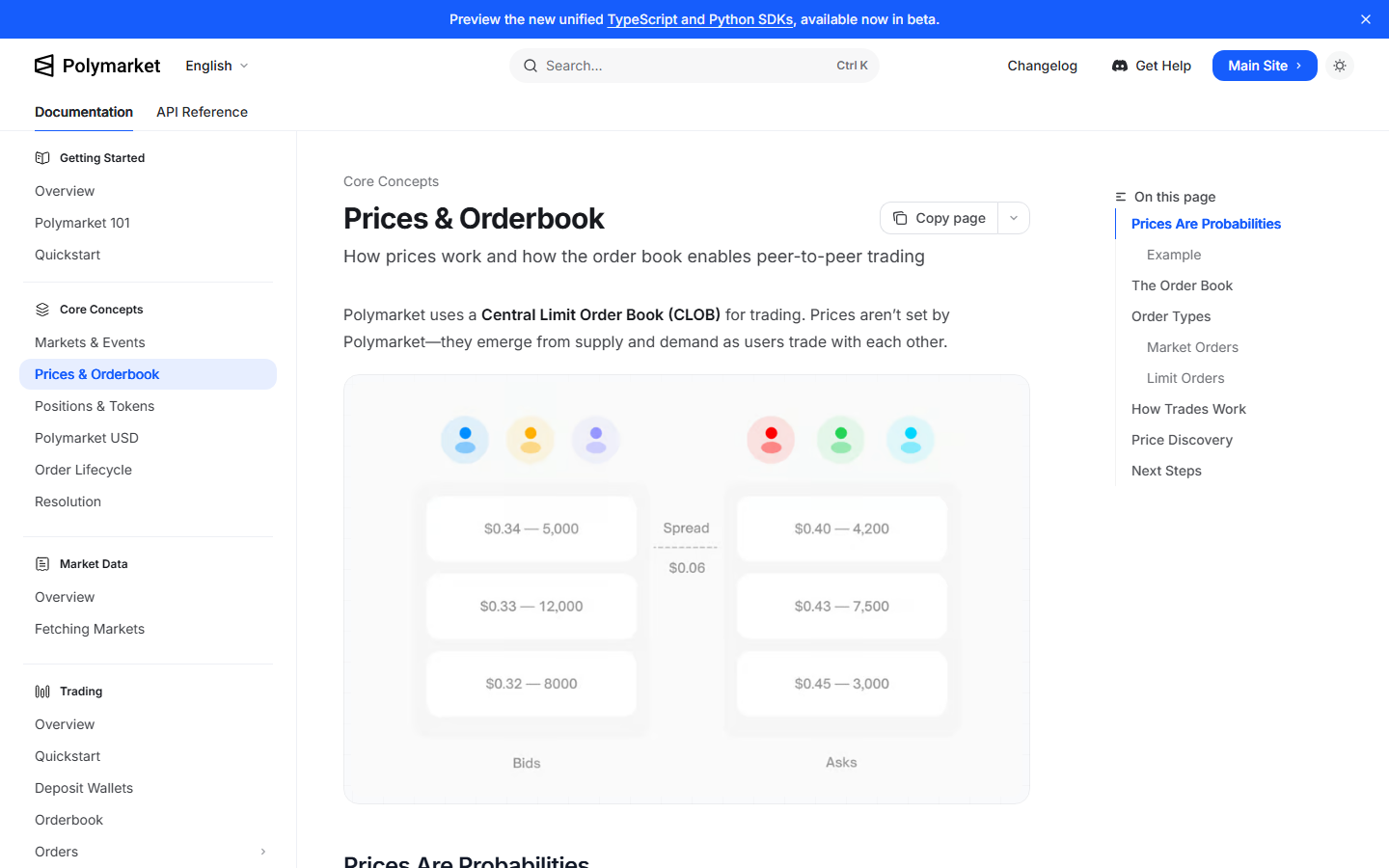
매수-매도 스프레드가 중요한 이유는 최종 거래 가격이 지금 이용 가능한 가격이 아닐 수 있기 때문입니다. 시장이 60%를 표시하더라도 매수자가 55에, 매도자가 68에 있다면 실제 체결 가능한 가격은 훨씬 불분명합니다.
- 정확한 질문: 이벤트, 마감 시한, 기준선, 정의를 파악하세요.
- 내재 확률: 가격을 환산하되 스프레드와 수수료를 반영하세요.
- 유동성과 잔량 깊이: 현실적인 규모가 거래될 수 있는지 확인하세요.
- 최근 거래량: 몇 시간 또는 며칠 전의 오래된 가격을 피하세요.
- 뉴스 출처: 공식 확인과 보도·소문을 구분하세요.
- 정산 규칙: 헤드라인과 계약이 엇갈릴 때는 규칙을 신뢰하세요.
선거 예시: 주요 언론이 특정 후보를 승자로 예측 보도하고 시장이 58%에서 86%로 급등합니다. 이 움직임은 합리적일 수 있지만, 공식 인증이 요구된다면 최종 정산은 여전히 규칙에 달려 있습니다.
중앙은행 예시: 어떤 시장이 중앙은행이 다음 회의에서 금리를 인하할지 묻습니다. 공식 성명이 발표되면 가격은 거의 확정 수준으로 움직입니다. 출처와 발표 시점이 알려져 있어 더 깔끔하지만, 정확한 금리 조건은 여전히 중요합니다.
법원 예시: 한 법조 기자가 결정이 곧 나올 것이라고 게시합니다. 시장이 마감 시한까지 공식 공표된 판결을 요구한다면, 그 보도는 신뢰할 만하더라도 시장을 정산하기에는 충분하지 않을 수 있습니다.
기업 발표 예시: 언론이 거래 협상을 보도하고 가격이 오릅니다. 진짜 질문은 요건을 충족하는 발표가 시장 기간 안에 이루어지는지입니다.
가장 흔한 실수는 첫 헤드라인을 최종 결론으로 취급하는 것입니다. 속보는 바뀌고, 초기 보도는 불완전하거나 정정될 수 있습니다. 두 번째 실수는 얕은 유동성을 무시하는 것입니다. 거래가 거의 없는 상태에서 확률이 극적으로 변했다면, 폭넓은 기대보다 단일 주문 하나를 반영한 것일 수 있습니다.
그 밖의 실수로는 최종 가격을 현재 가격으로 읽는 것, 여론 서사를 정산과 혼동하는 것, 모호한 문구를 간과하는 것, 확인 전에 소문 움직임을 추격하는 것이 있습니다.
Predicts.Guru는 Polymarket 가격을 맥락이 필요한 데이터로 다루려는 독자를 위해 만들어졌습니다. 내재 확률, 유동성, 스프레드, 최근 움직임, 거래량, 정확한 문구, 정산 규칙, 그리고 유력한 뉴스 촉매를 함께 읽을 수 있으면 뉴스 시장은 훨씬 유용해집니다.
예측 시장은 단순한 헤드라인 계측기가 아닙니다. 규칙을 가진 이벤트 계약입니다. 시장이 유동성이 부족하거나 정체돼 있거나 좁은 정산 조건에 묶여 있다면, 깔끔해 보이는 확률도 오해를 낳을 수 있습니다.
예측 시장 확률은 어떻게 확률로 환산되나요? 많은 예/아니오 시장에서 0에서 100센트 사이의 가격은 대략 내재 확률로 환산됩니다. 예 지분이 65센트라면 스프레드, 수수료, 유동성을 고려하기 전 기준으로 시장이 시사하는 확률이 약 65%라는 뜻입니다.
뉴스 기반 예측 시장은 신뢰할 수 있나요? 유용할 수 있지만, 신뢰도는 유동성, 활발한 거래, 명확한 규칙, 견고한 출처, 그리고 움직임이 확인된 정보에 근거하는지 소문에 근거하는지에 달려 있습니다.
예측 시장이 공식 뉴스보다 먼저 반응할 수 있나요? 그렇습니다. 시장은 공식 확인 전에 유출, 여론조사, 보도, 기대에 따라 움직일 수 있습니다. 초기 움직임은 증거가 아니라 검증해야 할 시그널로 취급하세요.
교육 목적의 콘텐츠입니다. 실행하기 전에 플랫폼의 최신 규칙, 수수료, 이용 가능 여부, 시장 정산 세부 사항을 확인하세요.
리퍼럴 약관, 입금 방법, 수수료, 이용 가능 여부, 검증, 정산 세부 사항을 근거로 행동하기 전에 이 Polymarket 공식 자료를 확인하세요.
최종 확인: 2026년 6월 20일
헤드라인이 이끈 가격을 신뢰하기 전에 움직임, 거래량, 유동성, 규칙 맥락을 확인하세요.
Polymarket 가격을 확률로 환산하고, 이어서 시그널 품질을 확인하세요.
이 가이드에서 참조한 도구와 관련 읽을거리.
인접한 Polymarket 리서치 주제를 이어서 살펴보세요.
Polymarket 가격을 내재 확률로 변환하는 방법과, 시그널을 신뢰하기 전에 스프레드, 유동성, 규칙, 지갑 맥락을 확인하는 방법을 알아보세요.
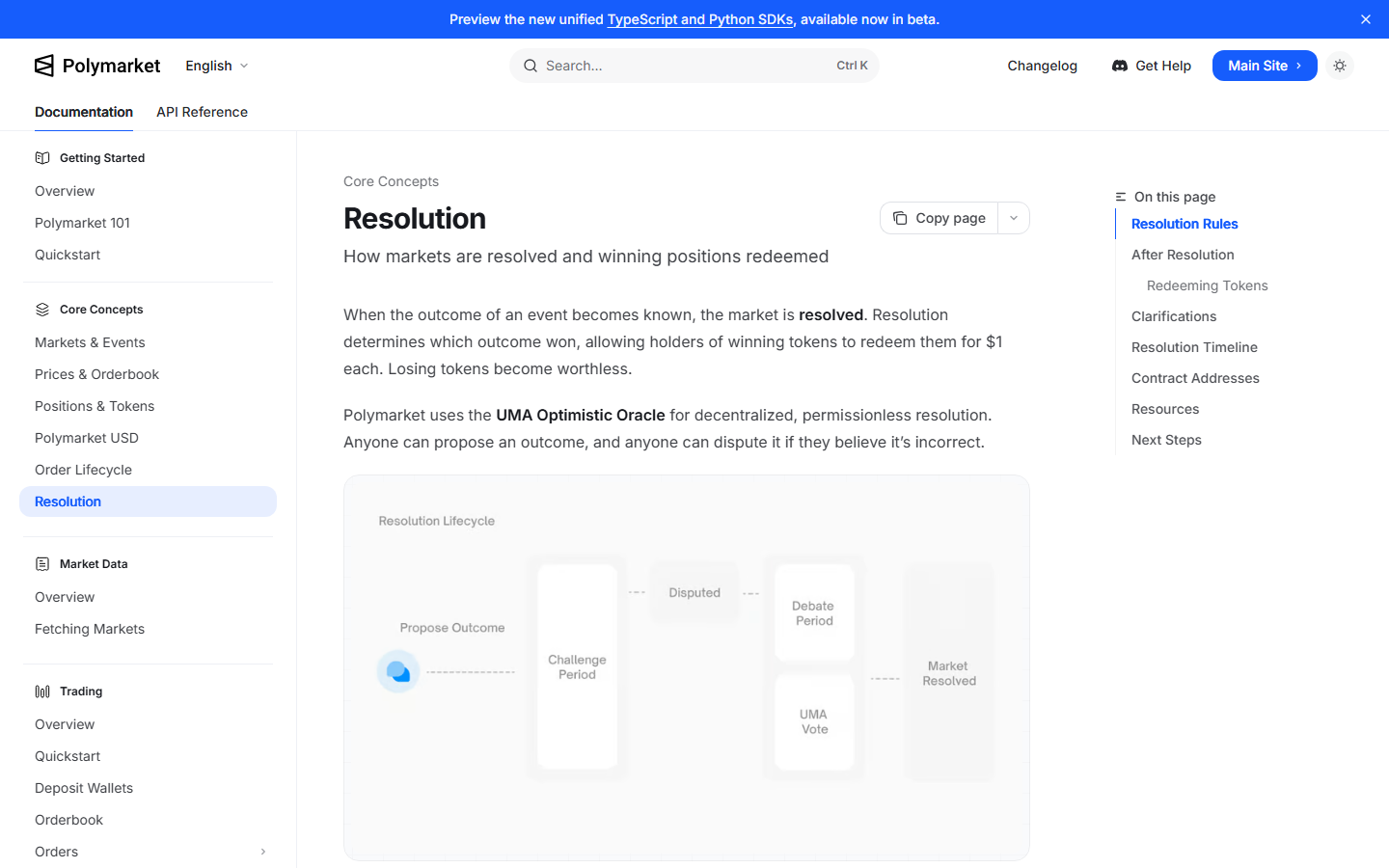
Polymarket 정산 규칙, UMA 오라클 제안, 이의 제기 기간, 승리 지분 지급, 패배 지분, 시점 리스크를 정리했습니다.
예/아니오 결과 지분, 가격, 확률, 유동성, 오더북, 정산, 트레이더 리서치를 통해 Polymarket 베팅이 어떻게 작동하는지 알아보세요.